
How to Style a Pocket Watch with a Groom’s Suit
How to Wear a Pocket Watch in 2026: Modern Styling Tips
Why pocket watches work again in 2026

Pocket watches keep resurfacing for a simple reason: almost everyone checks the time on a screen now, so an analogue watch on a chain reads as a deliberate choice rather than a leftover habit. That contrast alone gives it presence. The trick is that presence only works in your favour if the rest of the outfit isn’t fighting for attention as well.
There is also a broader shift toward gifts and accessories with a story behind them, particularly around weddings, where a best man or groomsman wants something that photographs well and still gets used years later. A pocket watch fits that brief better than most novelty gifts because it has an obvious daily function and an obvious ceremonial one — it can sit in a waistcoat during the vows and still get worn at Christmas lunch a decade on.
The version that actually looks good in 2026 is restrained. It doesn’t try to recreate a period drama, and it doesn’t need a top hat or a waxed moustache to justify itself. The modern read is closer to “a well-dressed man who happens to own something classic” than “a man dressed as something classic.”
That’s also why pocket watches sit so naturally alongside other groomsman-adjacent accessories — cufflinks, a hip flask, a tie bar — because all of them reward the same approach: pick one, wear it with confidence, and let the tailoring around it stay clean.
If you’re at the browsing stage, the Groom & Co homepage is a reasonable place to get a feel for the range before narrowing in on the pocket watch range, and the blog has more on how these pieces get paired for wedding parties. If you want a sense of who’s behind the pieces before you commit, the about us page covers that in a couple of minutes.
For a wider view of how classic menswear pieces are being worn now, both GQ and Vogue have covered the return of heritage accessories in modern wardrobes.
Getting the fit and placement right
Start with the shirt and jacket, not the watch. If those two pieces are simple and well cut, a pocket watch has somewhere to sit that makes sense. If the shirt is busy or the jacket is oversized, the watch just adds to the noise instead of standing apart from it.
Where the watch physically sits matters more than most people expect. It should land somewhere you can reach and check without a strange arm movement — a waistcoat pocket, a jacket’s inner breast pocket, or a trouser watch pocket if the suit has one. Fumbling for it mid-conversation undercuts the whole point of wearing something that’s supposed to look effortless.
The chain (sometimes called an Albert chain) or fob needs to sit naturally too, following the line of the waistcoat button rather than hanging loose and swinging. A chain that’s the right length looks like part of the garment; one that’s too long or too heavy looks like an add-on you forgot to tuck away.
Contrast is your friend here. A pocket watch tends to look sharpest against something contemporary — slim tailoring, a knit vest, a structured waistcoat — rather than against an outfit that’s already trying to look old-fashioned. Use the watch to add a single point of character, not to set the theme for the whole look.
Occasion still counts for something. Weddings, formal dinners, and milestone events are the natural home for a pocket watch, while in more casual settings it works best if everything else stays neat but relaxed. Either way, the watch should read as the accent, never the headline.
The pocket watch chain range is the fastest way to compare styles side by side, and the blog goes into more depth on pairing classic accessories with modern suiting. Start from the homepage if you’d rather browse broadly first.
For further reading on wearing heritage pieces with confidence rather than costume, see Esquire and Harper’s Bazaar.
Outfit pairings for weddings and beyond
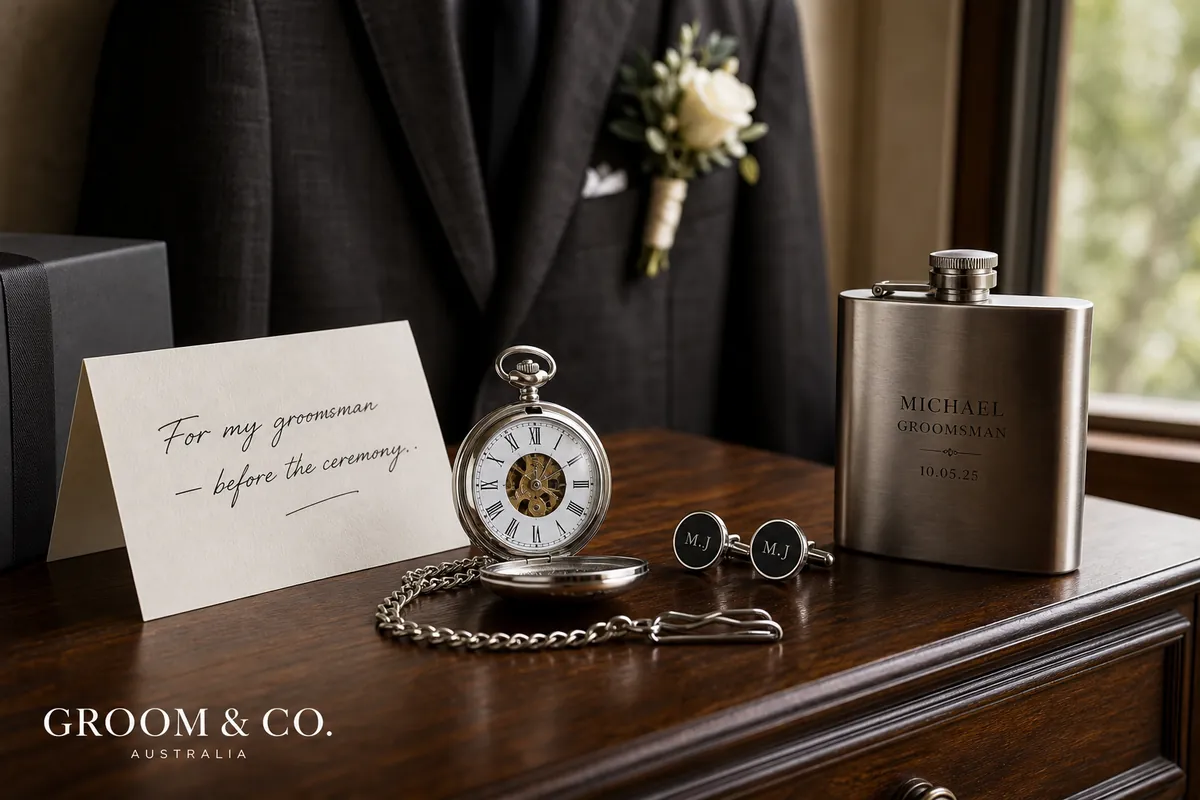
A dark, well-fitted suit remains the simplest setting for a pocket watch. Depending on whether the suit has a waistcoat, the watch can sit in the vest pocket or the inside jacket pocket — either works, so long as the chain doesn’t get lost in the fabric or pull the pocket out of shape. This is the safest option for the ceremony itself, since it photographs cleanly and doesn’t compete with boutonnieres, cufflinks, or a tie.
Smart-casual layering is the second option, and it’s the one that tends to surprise people. A structured overshirt, a knit vest, or a simple jacket can all carry a pocket watch well if nothing else in the outfit is shouting. This route reads less “formal event” and more “this is just how I dress,” which suits a rehearsal dinner or a reception after the main ceremony is done.
There’s also a middle path: pairing the watch with textured fabrics, leather shoes, and clean tailoring to bring in a touch of heritage without going full vintage. This works well for engagement shoots or groomsmen portraits where you want a bit of warmth and history in the styling without it looking like a themed shoot.
If you’re already wearing other accessories, resist the urge to add all of them at once. A pocket watch, cufflinks, and a tie bar together can tip an outfit from “considered” into “overdressed.” Usually one strong classic piece, plus the watch, is the ceiling — anything past that starts competing for the eye.
To compare outfit-ready pieces, the pocket watch range and blog both have detail shots worth reviewing, and the about us page is handy if you want the choice to line up with how the brand presents itself.
For more on how a classic timepiece reads differently depending on finish and context, see GQ and Vogue.

Common styling mistakes to skip
The most common misstep is going too far down the vintage route — pairing the watch with a flat cap, a waxed moustache brush, brogues from another century, and a waistcoat cut for a different decade. Individually those choices might be fine, but stacked together they turn a wedding photo into a costume photo. Pick the watch as your one heritage signal and let everything else stay current.
The opposite problem happens too: an outfit so stripped-back and minimal that the watch has nothing to connect to. If your suit is slim, monochrome, and completely unadorned, a pocket watch can still work, but it needs a reason to be there — a waistcoat, a textured jacket, or at least a plain base that gives it room to be noticed rather than looking randomly attached.
Chain choice trips people up more than they expect. An oversized or heavily decorated chain can make the whole piece feel like a prop rather than something you’d actually wear day to day. A slim, well-proportioned chain or a simple fob usually looks more expensive, even when it costs less, because it reads as considered rather than ornamental.
Treating the watch as a joke prop is the last trap. Wearing it ironically, or as a punchline about “old-timey” style, undercuts it before anyone gets a chance to notice the design. Wear it like you’d wear a good pair of shoes — because it’s well made, not because it’s a bit — and it stops looking like a gag.
The blog and the pocket watch chain range are good places to see how the balance is struck in practice, and the about us page is a quick refresher if you want the brand’s take before buying.
For more on keeping classic wedding-party accessories elegant rather than theatrical, see GQ and Martha Stewart Weddings.
Choosing a pocket watch that suits you
Start with what the watch is actually for. A gift for a groomsman usually needs to work in a wedding photo and in daily life afterward, so a simple, well-finished design tends to age better than something ornate. If you’re buying for yourself and plan to wear it regularly, you have more room to follow your own taste on case shape and dial detail.
Finish changes the mood more than most buyers expect. A polished case reads crisp and traditional; a brushed or matte case reads quieter and more contemporary. Neither is objectively better — it depends on whether you want the watch to be the first thing people notice or a detail they clock on a second look.
Size is worth checking against the rest of your build and wardrobe, not just against photos online. A case that’s too large can dominate a waistcoat pocket and look bulky; one that’s too small can disappear and lose the presence that made it worth wearing in the first place. If it’s going into regular rotation rather than a single event, this matters even more.
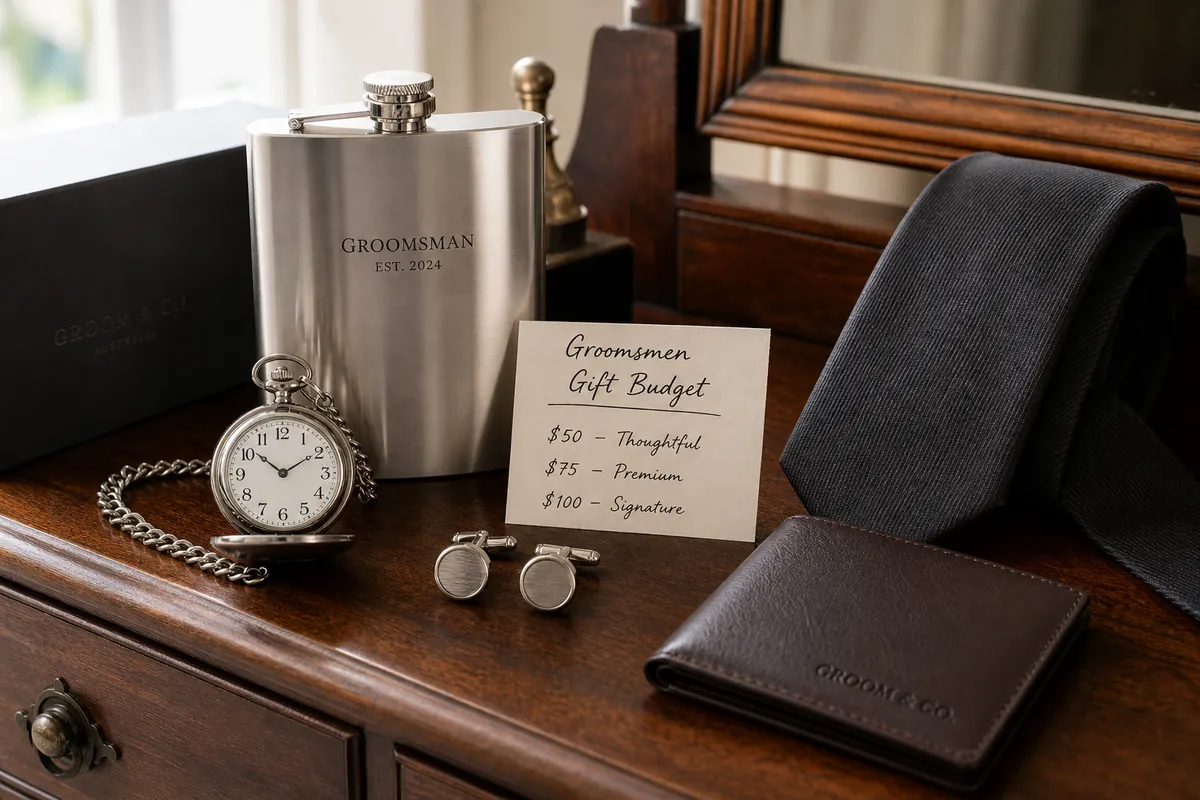
Presentation is part of the purchase, especially if the watch is a gift for a best man or groomsman. A solid box, a handwritten note, or a chain that’s already matched to the watch all turn a purchase into something closer to a keepsake — the kind of thing that gets kept in a drawer for twenty years rather than lost within a month.
The pocket watch range is the best starting point for comparing the range, the homepage gives a wider view of what’s available, and the blog covers which styles tend to suit which occasions.
For more on choosing gifts that feel personal rather than generic, see Brides and The Knot.

What style pros actually recommend
Most menswear writers land on the same point from different angles: a classic accessory should support an outfit, not audition for the lead role. That’s especially true for a pocket watch in 2026, where the goal is a piece that reads as a personal detail rather than a performance. Understated tends to beat theatrical almost every time.
The advice to keep everything else simple comes up constantly, and for good reason — a pocket watch does more work against clean tailoring than against an outfit that’s already busy. You don’t need extra flourishes around it. If anything, cutting back on other accessories is what makes the watch register at all.
There’s also a recurring point about tailoring doing the heavy lifting. The watch itself can be genuinely old, even inherited, but if the suit fits well and the lines are current, the whole look reads as now rather than nostalgic. The object can be from another era; the silhouette shouldn’t be.
Confidence is the last ingredient, and it’s the hardest to fake. A pocket watch worn like it’s a normal part of your wardrobe stops looking like a gimmick within about thirty seconds of a conversation. Worn nervously, or explained apologetically, it never quite lands — so the fastest fix for styling doubts is usually just to wear it a few times before the big day.
The blog and the pocket watch chain range are worth another look here if you want to compare finishes before deciding, and the about us page has a short brand overview if that helps narrow things down.
For more expert commentary on wearing a classic watch with confidence, see GQ and Vogue.
FAQ
What’s the modern way to style a pocket watch?
Keep the tailoring simple and current, choose one slim chain or fob, and let the watch sit as a single accent rather than the centrepiece of a themed outfit. Restraint elsewhere in the look is what makes the watch register.
How do I pick the right pocket watch for a wedding?
Decide first whether it’s for a single ceremony or ongoing wear — that shapes whether you prioritise a photograph-friendly polished finish or an everyday matte one. Size against your build and the presentation (box, note, chain) matter more than people expect, especially as a groomsman gift.
Where should a pocket watch sit in a suit?
A waistcoat pocket or the jacket’s inner breast pocket both work, provided the chain follows the button line rather than hanging loose. It should be reachable without an awkward reach across the body.
Are there affordable pocket watch options that still look premium?
Yes — a simple design with a slim chain and thoughtful presentation will often look more premium than an expensive but overly ornate one. Focus your budget on finish and box quality over size or added decoration.